


Making Sense of Property Types
Thinking about buying a property but feeling a little overwhelmed by all the different types out there? You’re not alone. Whether you’re a first-time buyer, investor, or simply curious, understanding the different property types is the first step toward making a smart and confident decision.
In this guide, we take a straightforward, visual approach to break down the most common property types so you know exactly what you’re looking at and what might suit your lifestyle best.
1. Detached House (Freestanding Home)
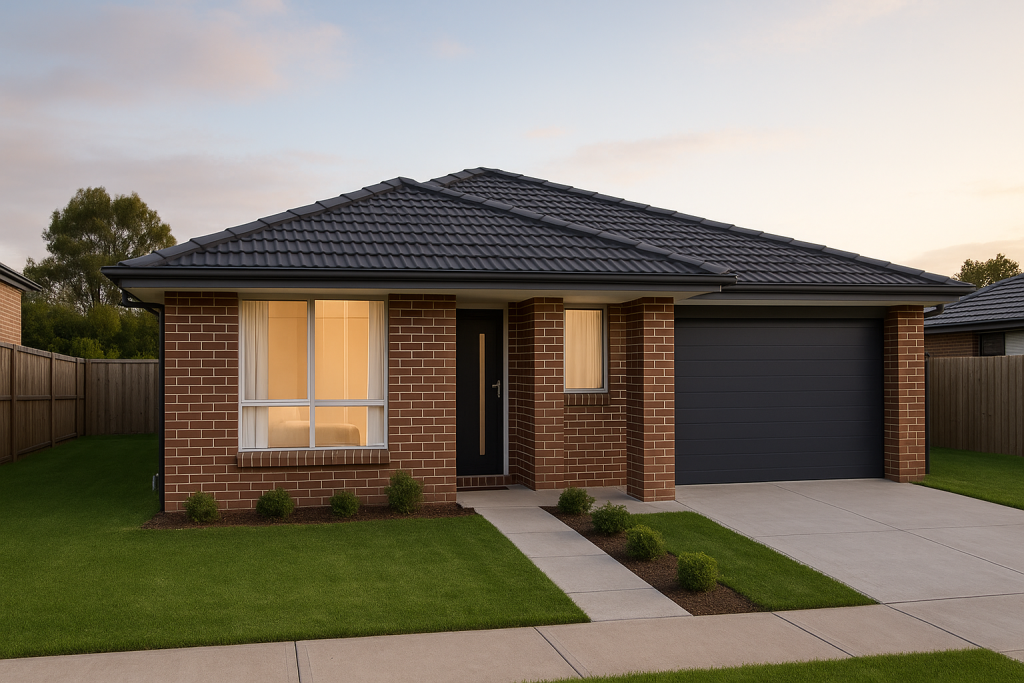
A detached house is a standalone property, not connected to any other dwelling. It sits on its own block of land and usually includes a front and back yard.
Who is it for?
- Families who want space and privacy
- Buyers looking for long-term growth and renovation potential
- Those who value independence from neighbours
Facts:
According to the Australian Bureau of Statistics (ABS), detached houses are the most common dwelling type across Australia, particularly in suburban and regional areas.
2. Semi-Detached House
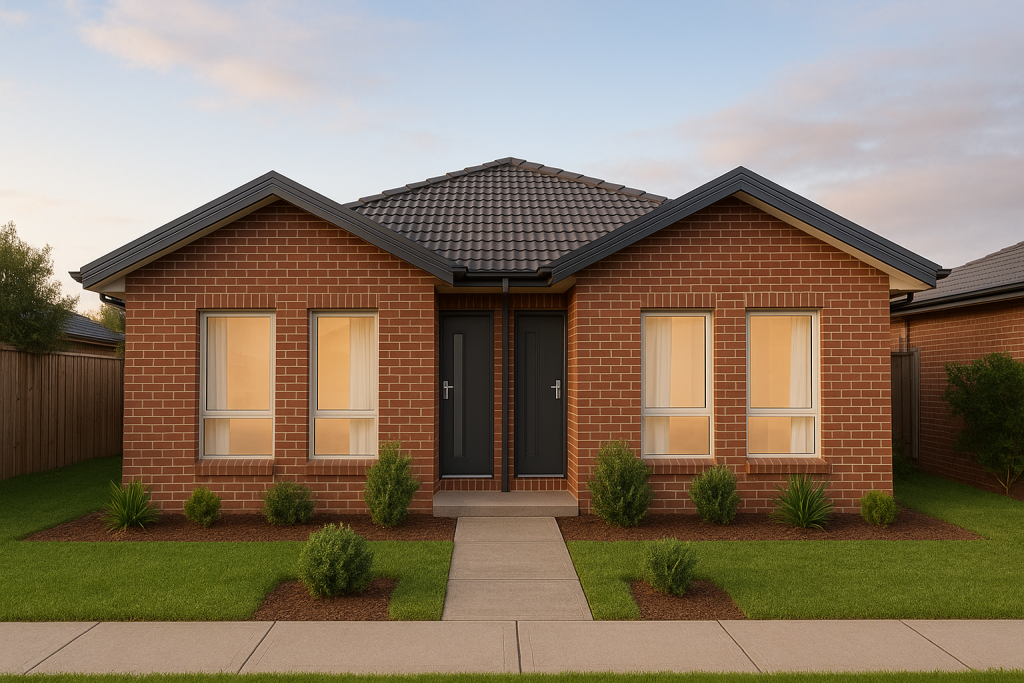
This is a dwelling that shares one common wall with another house. Often called a duplex, this type of home provides a compromise between privacy and affordability.
Who is it for?
- Couples and small families
- Buyers wanting a lower price point than detached houses
- Those looking for low-maintenance properties
Facts:
Semi-detached homes have grown in popularity, particularly in inner-ring suburbs, as outlined in the ABS dwelling type data.
3. Terraced House (Row House)
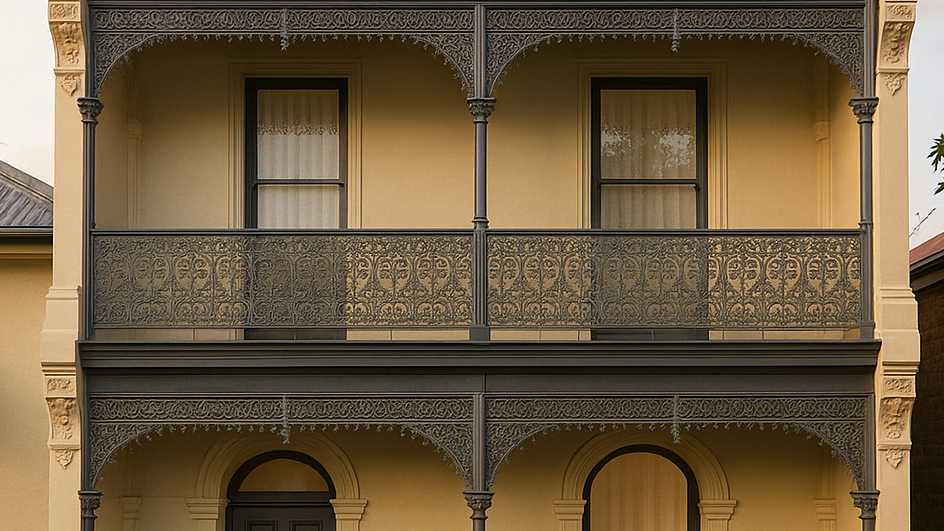
Terraced houses are multiple dwellings that form part of a continuous row. They’re common in older suburbs and are often heritage-listed.
Who is it for?
- Inner-city buyers who want character
- Investors or renovators
- Homeowners wanting a bit of outdoor space with less upkeep
Facts:
Common in Melbourne, and older urban areas, terrace homes combine compact living with unique period architecture (CoreLogic).
4. Apartment vs Unit, What’s the Difference?
This is where many buyers get confused. In everyday conversation, “unit” and “apartment” are often used interchangeably, but in Australian real estate, they carry different implications.
Apartment
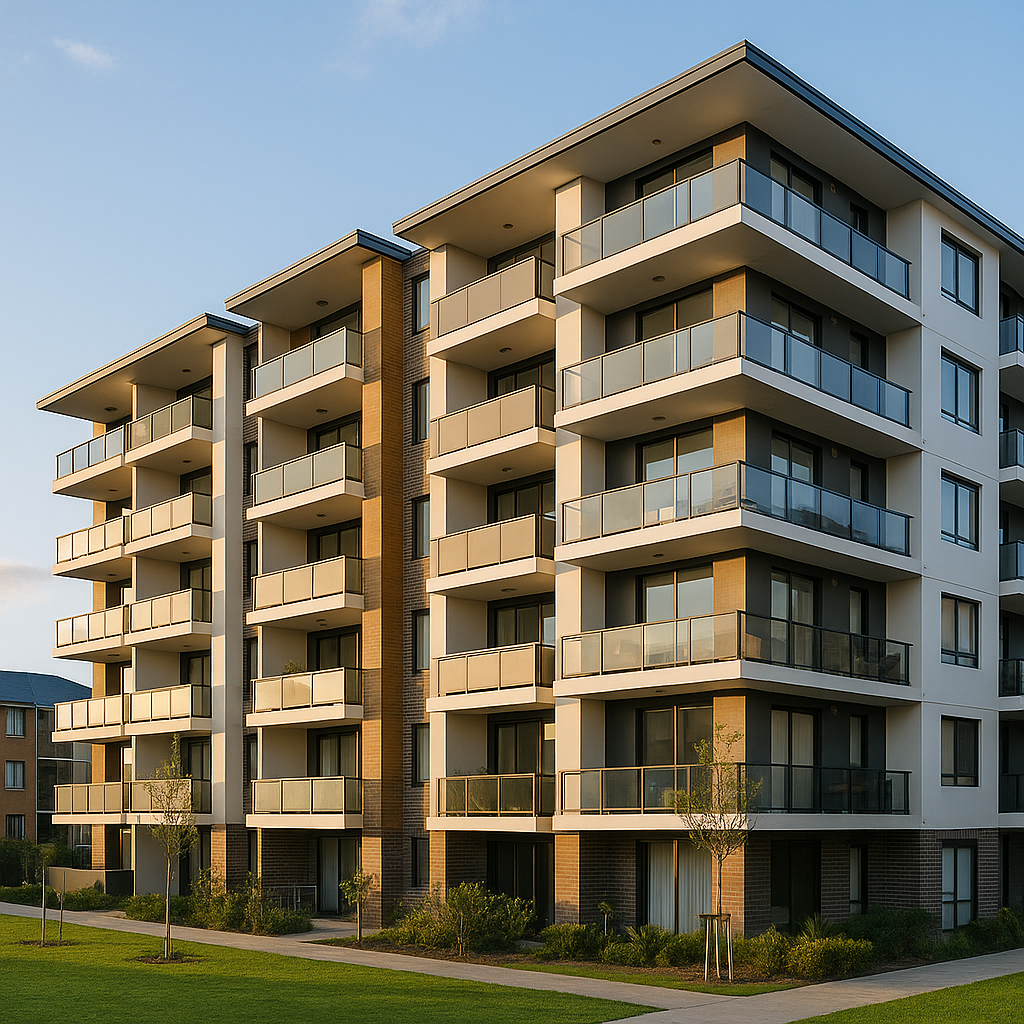
- A self-contained dwelling within a multi-storey building
- Shares common areas like lobbies, hallways, lifts, and amenities such as gyms or pools
- Found mostly in inner-city or high-density urban areas
- Always part of a strata title scheme
- Suited to singles, professionals, and investors
Unit
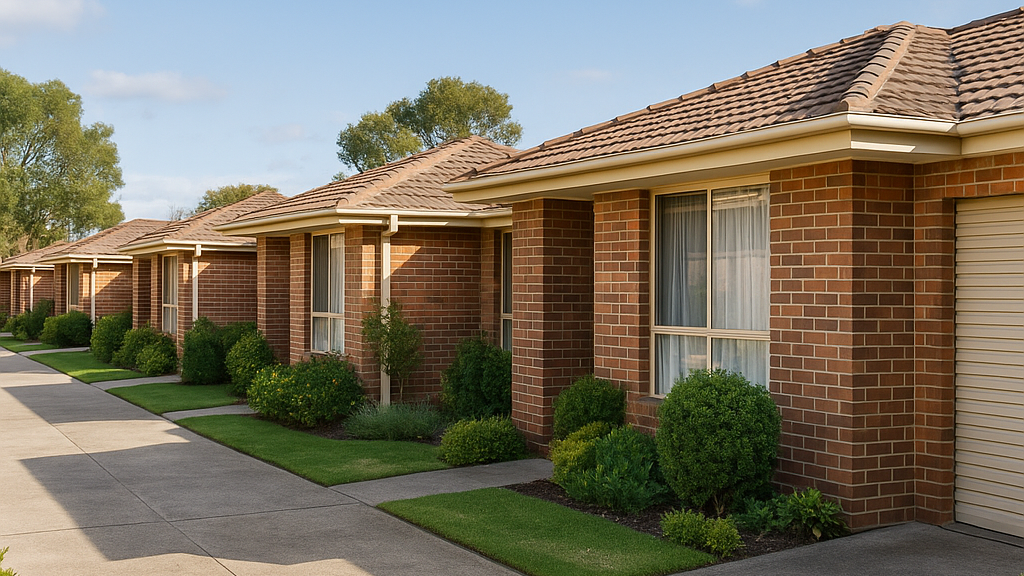
- Also a self-contained dwelling, but typically part of a smaller complex or a group of single-storey homes
- May share a wall with another unit, but usually has more space or even a small courtyard
- Can be under strata or Torrens title, depending on the layout
- Suited to downsizers, small families, or those wanting a bit more privacy than an apartment offers
Facts:
According to realestate.com.au, the distinction lies in both the building type and how many levels or communal facilities are involved. Units are typically found in suburban areas, while apartments are dominant in city centres.
Why This Matters
Choosing the right property type isn’t just about budget. It’s about lifestyle, long-term goals, and what “home” means to you. Knowing the differences between property types helps you make more confident, informed decisions.
If you’re buying in Victoria or another state, it’s worth reviewing local zoning laws, council regulations, and property titles. For further reading, check out:
- Australian Government First Home Buyer Guide
- State Revenue Office Victoria, Property Info
Have Questions or Just Exploring?
If you’re still working through what kind of property might suit you, we’re always here to help. Whether you’re at the start of your journey or comparing your options, we’re happy to talk things through. No pressure, just friendly guidance based on real experience.
Feel free to reach out any time if you’d like help making sense of the market or planning your next step.